
ABOUT US
Who Are We?
HeLaSync was founded from firsthand experience in clinical research. While working at a globally recognized academic medical institution known for pioneering treatments and life-saving procedures, we gained valuable insight into how complex and challenging it can be to achieve true health equity and representation in research. These experiences highlighted important gaps and inspired the creation of HeLaSync to help make clinical research more inclusive and accessible.
Despite working alongside leading physicians, we observed ongoing challenges with representation in clinical trials, particularly among Black patients. Across many studies we supported, participation from underserved populations remained limited—often reflecting gaps in awareness and access to research opportunities rather than a lack of interest.
My colleague and I knew we were on the right track with HeLaSync. Around this time, the FDA introduced long-overdue guidelines pushing for greater diversity in clinical trials—a response to alarming disparities, such as the inaccuracy of medical devices on Black patients revealed during the COVID-19 pandemic.
While these regulatory changes represent meaningful progress, they also reinforced what we had observed through our clinical research experience: many communities—particularly Black and underserved populations—continue to face challenges in awareness of, trust in, and access to clinical research. These challenges are not driven by a lack of interest, but by longstanding historical, structural, and access-related factors. Despite significant advances in medicine, these barriers persist, and HeLaSync was created to help address them by fostering trust, transparency, and inclusion.
That’s why we founded HeLaSync—to help bridge this critical divide.
Why the Name “HeLaSync”?
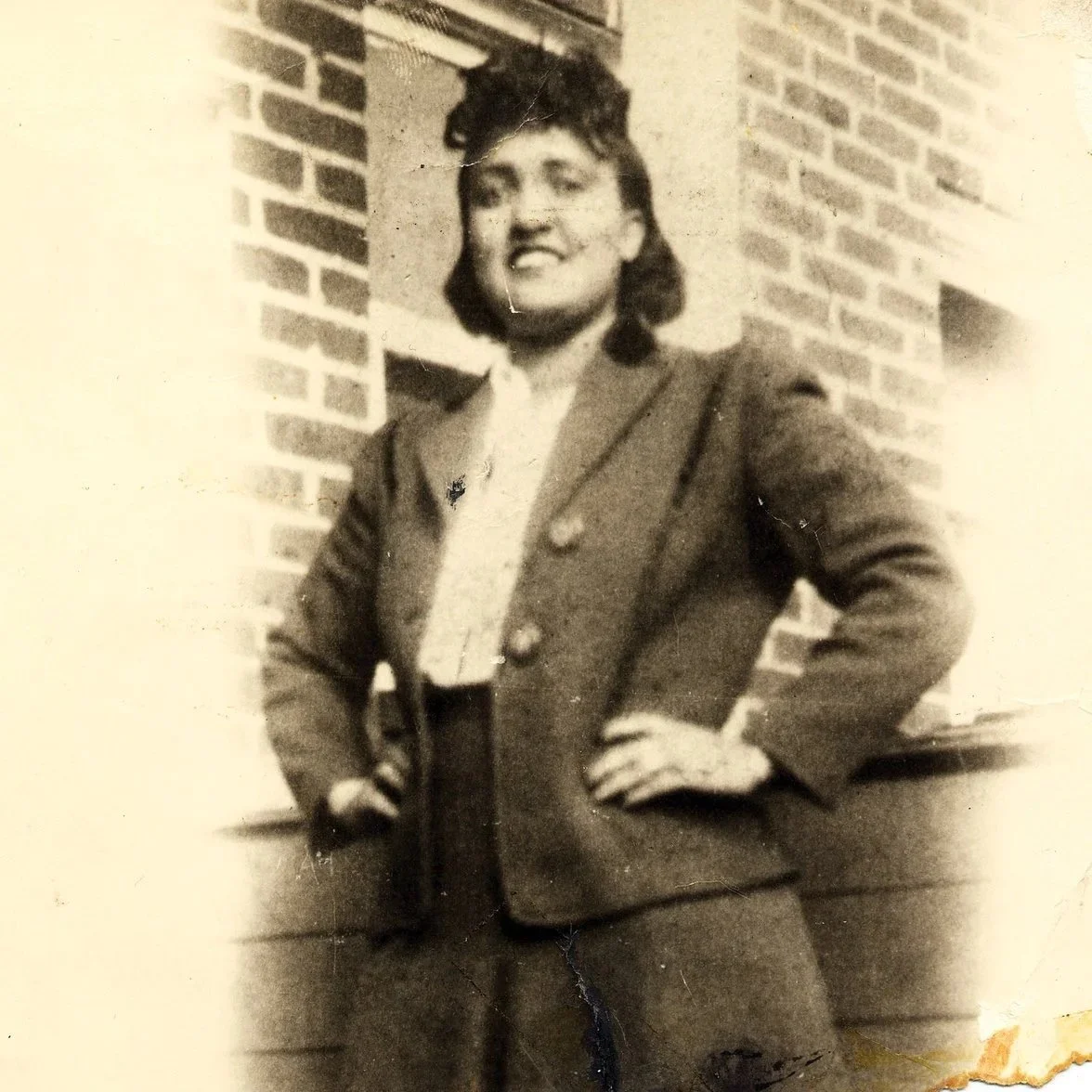
The name HeLaSync honors the life and legacy of Henrietta Lacks, a Black woman whose cancer cells were taken without her consent in 1951 at Johns Hopkins Hospital. Her cells—known as HeLa cells—became the first immortal human cell line, revolutionizing science and leading to breakthroughs in the polio vaccine, cancer treatment, HIV/AIDS research, genetics, and even space exploration.
Yet, her family was left in the dark for decades, receiving neither recognition nor compensation. Her story is a powerful symbol of both the immense contributions of Black bodies to science and the deep ethical injustices that have historically excluded those same bodies from equitable participation.
At HeLaSync, we carry her legacy forward—not only to acknowledge the past but to actively reshape the future of healthcare research to be more inclusive, ethical, and just.

Our Vision
HeLaSync exists to change these numbers—not just to improve statistics, but to change systems. We work to ensure that marginalized voices are heard, that research is more reflective of the communities it aims to serve, and that the next generation of medical innovation is built on a foundation of equity, trust, and inclusion.
Why This Work Matters?
The need for change is not abstract—it’s measurable:
-
In 2020, out of over 32,000 participants in FDA-reviewed novel drug trials, only 8% (2,500) were Black, despite Black Americans making up nearly 14% of the U.S. population.
-
Clinical trial sites are disproportionately located in urban, wealthier ZIP codes, leaving rural and underserved communities with little access or opportunity to participate in life-changing research.
-
British Heart Foundation study (~600,000 patients) found women had a ~50% higher chance than men of receiving an incorrect initial diagnosis after a heart attack, contributing to higher mortality rates.
-
Health Harvard another study involving patients under age 55 (interviewing > 2,000 women and ~976 men) found that 53% of women said their providers didn’t think their symptoms were heart‑related, compared with 35% of men.
Meet the Team
-

Elijah A.
FOUNDER
-
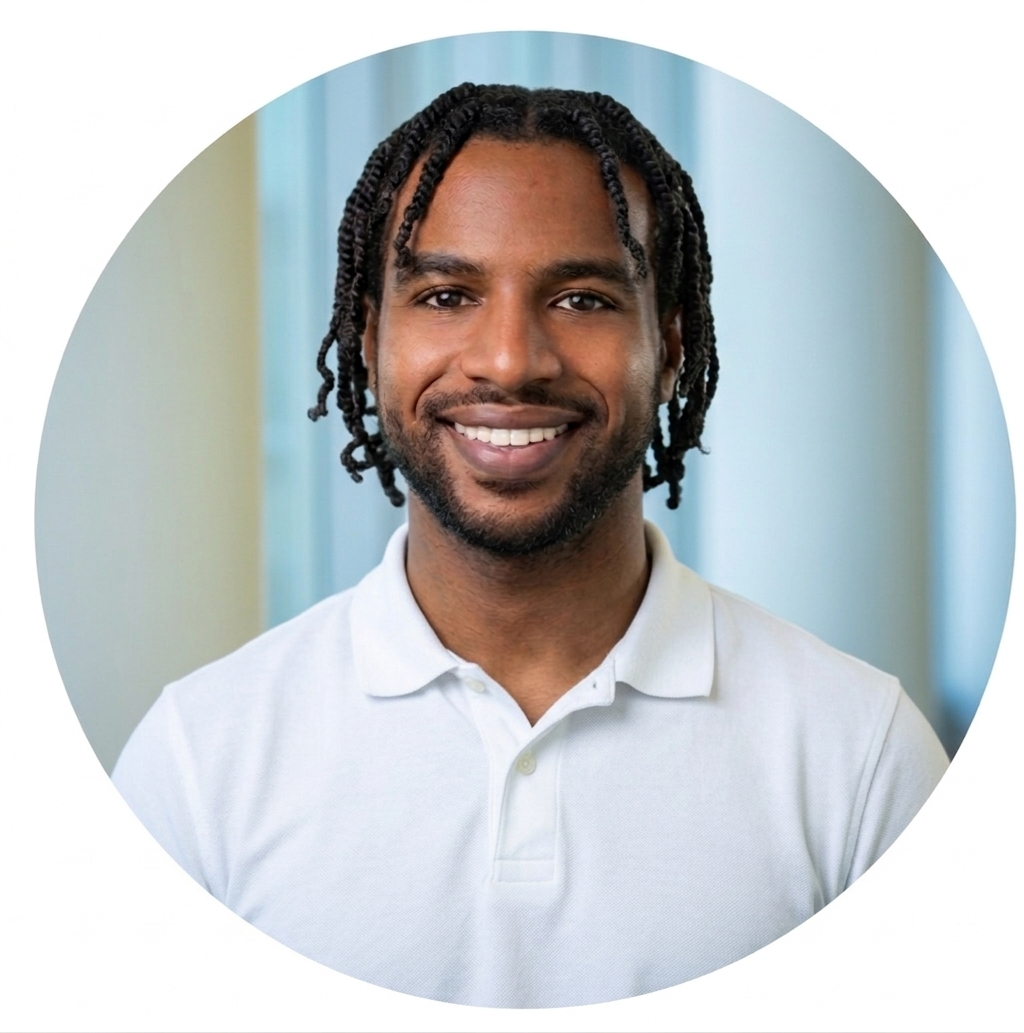
Emanuel G.
CO - FOUNDER